
About
Behind Crux is one operator, not a consultancy.
No account managers, no template, no junior sent to your shop. I have cooked on the line, run the back office and taken concepts from a blank unit to opening day. The advice, and the software, come from having done the work.
- 15+
- Years operating
- 30+
- Brands worked with
- 7
- Concepts opened
- 50
- Staff led at peak
From the line to the ledger.
The story
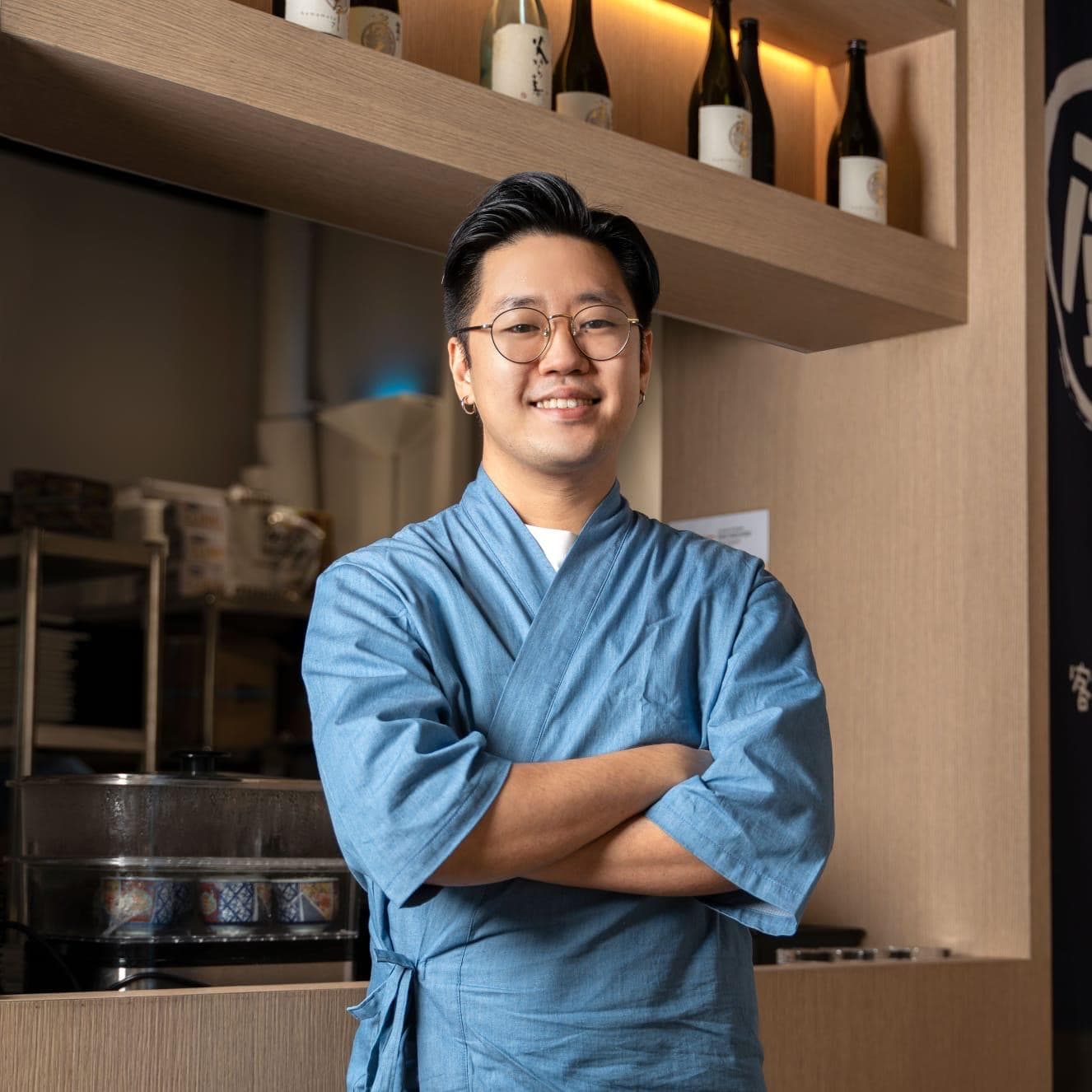
I'm Dominic. I started on restaurant floors in 2005, a teenager clearing tables through the school holidays. By 2012 I was the one running things: food court outlets, then a small restaurant, the jobs where one person owns the ordering, the roster and the till, and there is nobody behind you to catch a mistake.
Then I picked a lane. Culinary school, Japanese cuisine, and eventually Sushi Kimura, a one Michelin star omakase room where precision is the entry requirement, not the achievement.
The numbers came next. Three years as Area Operations Manager of a hotpot group: five outlets, around fifty staff, full P&L, reporting straight to the directors. When no tool could show me where the money was going, I built the group’s sales and food cost trackers myself. That habit never left, and it eventually became Crux OS. EN Group then made me Brand Chef across five Japanese outlets, in charge of the omakase menu and some twenty new dishes a year, rolled out and held to standard in every location at once.
Crux is that career pointed at other people’s shops. Concept after concept taken from brief to opening day, one of them built alone, from empty unit to first service. The pattern holds across every brand I have worked with: the shops that last are built right, and run on numbers.
Three things the kitchen taught me.
How I read it
- Trends are tools, not destinations.
- A concept that chases a trend to open has nothing left once the trend cools. The trend gets you noticed; the operation keeps you open. Use the tool, do not marry it.
- Most failures show up early.
- The gap that closes a restaurant is almost always visible in the first plan: the rent it cannot carry, the food cost nobody costed, the buffer that was never there. Catch it on paper, not at month-end.
- Systems beat heroics.
- A shop held together by one person working eighty hours is one bad week from falling over. The ones that last run on systems anyone can follow, so the standard holds whether the owner is in the room or not.
In the press
Featured in Commune on setting up Japanese concepts in Singapore.
Read House Rules →Work with the operator
Now you know who’s behind it.
Tell me what you are opening, or what is not working in what you already run. You get the operator on the call, not a sales team.
Prefer to talk first? WhatsApp us.